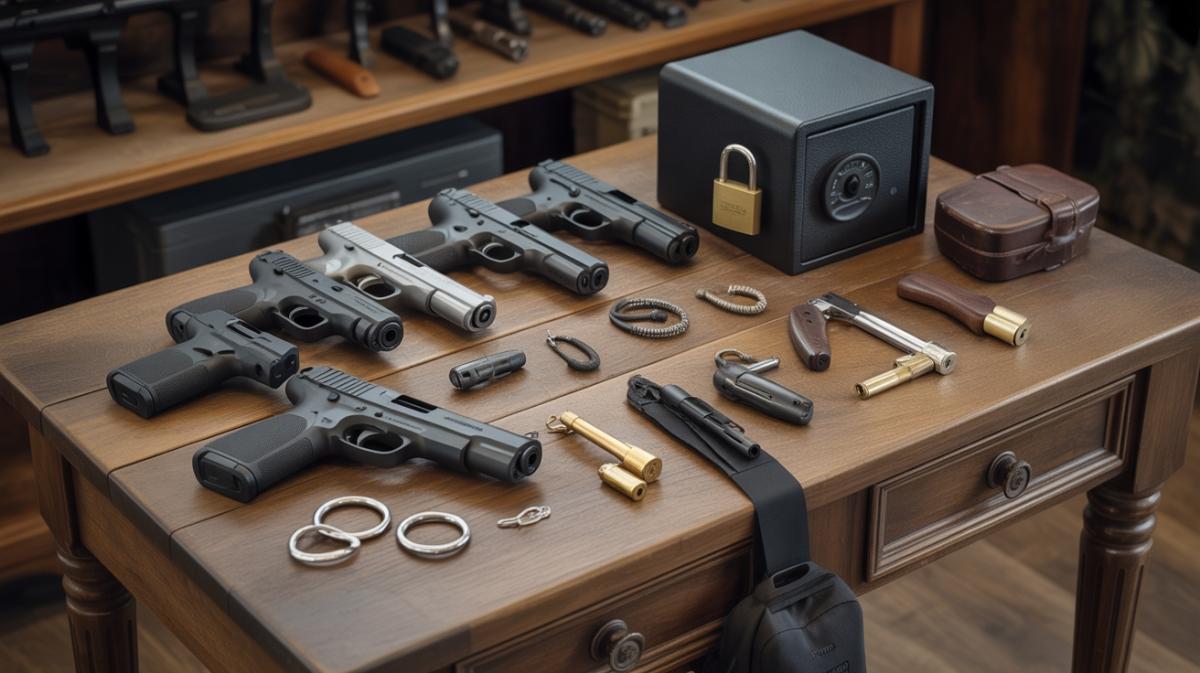
Bringing a firearm into your life is a major decision. It pairs a fundamental right with a profound responsibility. It’s a commitment not just to yourself, but to your family, your neighbors, and your community. Preventing accidents, injuries, and misuse begins with knowledge and is sustained by discipline. This guide is your resource for understanding responsible firearm ownership, whether you're a new owner or an experienced one. We'll walk you through the fundamentals, including:
-
The Four Universal Safety Rules
-
Secure Firearm and Ammunition Storage
-
Continuous Training and Education
-
Legal and Civic Responsibilities
For parents, it's a guide to securing your home; for new owners, it’s your foundational text.
The Foundation: The Four Universal Rules of Firearm Safety
These four rules are the bedrock of all firearm handling. They are not mere suggestions; they are commands that, if followed without exception, will prevent virtually all accidental discharges.
Rule 1: Treat Every Gun As If It Is Always Loaded
There are no exceptions. Even if you have personally just checked it, treat it as loaded. This mindset is your best defense against complacency—the leading cause of firearm accidents. Never assume a firearm is "safe." This isn't about mistrust; it's about building an unbreakable habit. Get into the routine of verifying its condition yourself, every single time you handle it.
Rule 2: Never Point the Muzzle at Anything You Are Not Willing to Destroy
A firearm's muzzle should always be pointed in a secure direction—typically downrange, at the ground, or towards the sky, depending on your environment. What is a secure direction? Never point the muzzle at anything you are not willing to destroy. It’s any direction where an accidental discharge would cause no injury and minimal property damage. This rule applies everywhere, from the gun range to your own home during cleaning.
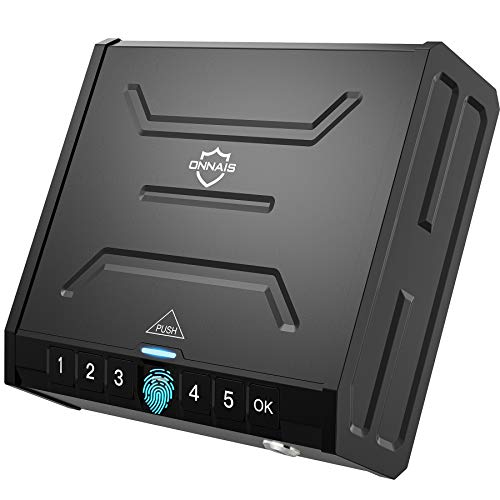
Biometric Gun Safe for Pistols by ONNAIS
Securely Store Your Pistols with ONNAIS Biometric Gun Safe
Product information
$59.99
Product Review Score
4.4 out of 5 stars
31 reviewsProduct links
Rule 3: Keep Your Finger Off the Trigger Until Your Sights Are On Target
Your trigger finger should rest outside the trigger guard, straight along the side of the firearm until you have made the conscious decision to fire. Keep your finger off the trigger until your sights are on target. Placing your finger on the trigger is the final step before shooting. This habit prevents you from firing unintentionally if you are startled, lose your balance, or stumble.
Rule 4: Know Your Target and What Is Beyond It
You are responsible for every bullet that leaves your firearm until it comes to a complete stop. Before you pull the trigger, be sure of your target and what is beyond it. You must be absolutely certain of your target and the area behind and around it. Bullets can penetrate walls, ricochet off hard surfaces, and travel for miles. Never fire at a sound, a movement, or a target you cannot positively identify.
Secure Storage: Your First Line of Defense Against Accidents and Misuse
Your firearm is secure only when you're holding it, right? For all other times, its safety depends entirely on how it's stored. When not in your direct control, your firearm must be secured to prevent access by children, unauthorized adults, or criminals.
Choosing the Right Hardware: Gun Safes, Lockboxes, and Trigger Locks
A high-quality gun safe is the gold standard for securing multiple firearms. For a single pistol kept for home defense, a quick-access lockbox offers a blend of security and readiness. At a minimum, cable locks or trigger locks render a firearm inoperable, but they do not prevent theft. Choose a solution that fits your budget and specific needs.
The Best Practices for Storing Ammo
For maximum safety, especially in homes with children, it is recommended to store ammunition separately from firearms. This adds another layer of security that forces an unauthorized person to overcome two separate barriers to load and fire the weapon. Store ammunition in a cool, dry place in a locked container.
Creating a Safe Home Environment: A Guide for Families
Securing your firearms is only half the battle. The other, equally critical half, is education. This means having open, age-appropriate conversations to demystify firearms and establish them as tools that demand respect. You, as the firearm owner, must be their primary source of gun safety information.
For children, this education must include one simple, unforgettable directive for if they ever encounter an unattended firearm:
Mastery Through Practice: The Importance of Ongoing Training and Education
Think of firearm proficiency like a muscle—if you don't use it, you lose it. Proficiency and safety require continuous learning and practice under the guidance of qualified instructors.
Why Professional Safety Courses Are Non-Negotiable
A certified safety course provides hands-on training that you cannot get from a book or video. Instructors teach you the essentials: how to safely handle, load, and unload your firearm. They also show you how to clear common malfunctions. They provide the controlled environment needed to build a strong foundation of safe habits. Look into
Maintaining Proficiency: The Role of Regular Range Practice
Understanding Your Legal Obligations as a Gun Owner
When it comes to firearm laws, what you don't know can hurt you.
Your right to own a firearm is governed by a complex web of laws that vary significantly by location.
Navigating the Maze of Local, State, and Federal Laws
You are responsible for knowing and complying with all laws regarding firearm purchase, transport, storage, and use in your jurisdiction. Research your state statutes, city ordinances, and be aware of federal regulations, such as the
The High Cost of Negligence: Legal and Personal Consequences
Failing to store a firearm securely can lead to criminal charges if it's accessed by a minor or used in a crime. Negligent use can result in fines, imprisonment, and the permanent loss of your right to own firearms—not to mention the preventable tragedy and devastating personal guilt of causing an accident.
Special Considerations for Everyday Life
Responsible ownership means applying safety principles to every situation.
Critical Conversations: Gun Safety in a Household with Children
If you have children, your responsibility is magnified. Secure storage is paramount. Open and age-appropriate conversations about the dangers of firearms and the established safety protocols are not optional; they are a parental obligation.
On the Move: How to Travel Safely and Legally with Firearms
When traveling with a firearm, you must comply with the laws of every jurisdiction you pass through. Federally, the Firearm Owners Protection Act (FOPA) provides a legal 'safe passage' that generally allows for transport through states as long as the firearm is unloaded and locked in a case, inaccessible from the passenger compartment. However, airline and destination-specific laws must be checked beforehand.
Last Thought
Ultimately, the rules of safety, the discipline of secure storage, the commitment to training, and an awareness of the law are more than just a checklist. They are the principles that define a responsible gun owner. This responsibility is yours to own, and the power to uphold it starts now. Take the next step: enroll in a certified safety course, invest in a quality safe, or simply review your own safety protocols. Your commitment today ensures a safer tomorrow with vigilance and discipline.